

We often live fast and forget how important vegetables are for our digestion and body. We know that many people don’t like vegetables, especially children, but that’s probably because you haven’t prepared or paired them properly to make them tasty.
Vegetables are not just a excellent source of vitamins and mineralsbut also a precious support for digestion, metabolism and the immune system. They contain fiber, antioxidants and phytonutrients that contribute to maintaining cell health, reducing inflammation and protecting vital organs.
Have a good health and a strong immune systemit is essential to include a variety of vegetables in our diet and also know how to cook or season them to be delicious and fully enjoy their properties.
The challenge, however, is not only to understand their benefits, but above all to be able to integrate them into the daily diet, in a constant and pleasant way. In the following lines you will discover why vegetables are so important for your health and how you can more easily include them in your daily menu, without having the feeling of struggling or giving up the pleasure of taste.
Vegetables are natural sources of vitamins, minerals and fiber which helps maintain a healthy weight and prevent common problems.
First of all, vegetables are a natural and rich source of vitamins essential, such as vitamin A, C, K and those from B complexwith crucial roles in maintaining healthy skin, vision, nervous system and metabolic processes. For example, carrots, red peppers and pumpkin are known for their high content of beta-carotene, a precursor to vitamin A, which helps protect cells and support the immune system.
Green vegetables such as spinach, broccoli or cabbage, on the other hand, are rich in vitamin K, essential for blood clotting and bone health.
Furthermore, vegetables are important sources of MINERAL AS magnesium, potassium, iron and calciumminerals that help regulate blood pressure, heart function and maintain electrolyte balance. By regularly consuming fresh vegetables, the body benefits from a constant supply of these nutrients, thus reducing the risk of nutritional deficiencies and imbalances.
Another essential aspect of vegetables is their high content of dietary fiber. Fibers help regulate intestinal transit, contributing to the elimination of toxins and preventing constipation. Furthermore, they provide a prolonged feeling of satiety, which can be of great help in controlling body weight and avoiding the unhealthy snacks between meals that many of us consume between meals.
In addition to their supply of vitamins and minerals, vegetables also stand out for their high content of antioxidants and phytochemical compounds which support the body’s natural defense mechanisms. These substances contribute to the neutralization of free radicals, reducing the effects of oxidative stress. Natural pigments like lycopene from tomatoes, LUTEIN from green vegetables or anthocyanins coming from dark-colored vegetables, such as eggplant or red cabbage, have a proven beneficial effect on cardiovascular health and can reduce the risk of chronic diseases such as diabetes and some forms of cancer.
The daily consumption of vegetables also helps to balance cholesterol levels and maintain the elasticity of blood vessels, thus promoting the correct functioning of the heart and the circulatory system as a whole. Thanks to their beneficial effect on digestion, fibers also support the health of the intestinal florafavoring the development of “good” bacteria that support immunity and metabolism.
Recommended Products for Correct and Healthy Digestion
How to incorporate more vegetables into your diet
Eating more vegetables is not complicated. For example, start with small steps, adding extra servings of vegetables to each meal. The problem most often is not a lack of will, but habits formed over time, a lack of culinary inspiration or the impression that dishes with a lot of vegetables are complicated or tasteless.
A simple but extremely effective first step is to start your main meals with or portion of fresh vegetables. A colorful salad, a light vegetable soup or even a few sticks of carrot, cucumber or pepper can whet the appetite, provide a pleasant feeling of satiety and reduce the temptation to consume foods rich in fat or sugar. This seemingly trivial habit helps your body better assimilate nutrients and regulate its digestion naturally.
Another simple way is to add vegetables to your favorite dishestransforming them discreetly without altering their basic taste. For example, you can add mushrooms, zucchini or peppers to morning omelettes, mix carrots and celery into pasta sauces or make meatballs or veggie burgers with chickpeas, lentils and grated vegetables. This way you keep your culinary pleasures, but add superior nutritional value to them.
If you want to make it easier for you to eat vegetables every day, get used to it you always have them at handalready prepared. After purchasing them, wash them, clean them and cut them into pieces suitable for consumption, then store them in closed containers in the refrigerator.
When you’ve already prepared them, it’s much easier to spontaneously add them to any meal, whether in a quick salad or as a side dish alongside a main course. Furthermore, cut vegetables can make an excellent snack between meals, providing energy and freshness without excess calories.
Essential nutrients for the body
How to prepare vegetables to preserve their nutrients and properties
Although vegetables are an excellent source of nutrients, the way they are prepared makes the difference between a meal full of benefits and one in which many of the vitamins and minerals are lost. To make the most of their nutritional value you need to choose gentle cooking methods that do not destroy temperature-sensitive compounds and preserve the vegetables’ natural colour, aroma and texture.
Steaming is a simple technique that allows vegetables to soften easily without being directly exposed to hot water, thus preserving water-soluble vitamins such as vitamin C and B complex, but also essential minerals that may dissolve into the liquid during cooking. Through this method, vegetables maintain not only their nutrients, but also their lively and appetizing appearance, and their natural taste remains unaltered.
- Easy cooking in the oven
Another healthy option is easy cooking in the ovenat a moderate temperature, which intensifies the flavor of the vegetables and favors the development of a delicate texture without burning or drying them excessively.
- Quick browning in a non-stick pan
Quick frying in a non-stick pan, with a minimal quantity of olive oil, can represent a healthy alternative between taste and nutrition, as long as the cooking time is short and the vegetables remain slightly crunchy.
For raw vegetables, careful washing under cold water is recommended and cutting should only be done before consumption to avoid the oxidative loss of vitamins. The use of stainless steel or glass dishes, instead of aluminum ones, also helps to preserve their nutritional properties, since the reactive metals can alter the antioxidant compounds.
Premium supplements with vitamins, minerals and antioxidants for your well-being
latest posts published

Comfortable and elegant outfits for busy days

The best book adaptations: are the films worth seeing?

Strategies to transform competition into a driver of success, not anxiety

How the most controversial books survived

The training process and the areas most at risk

Books written by Romanian authors that have had international success

Simple photography techniques to capture special moments
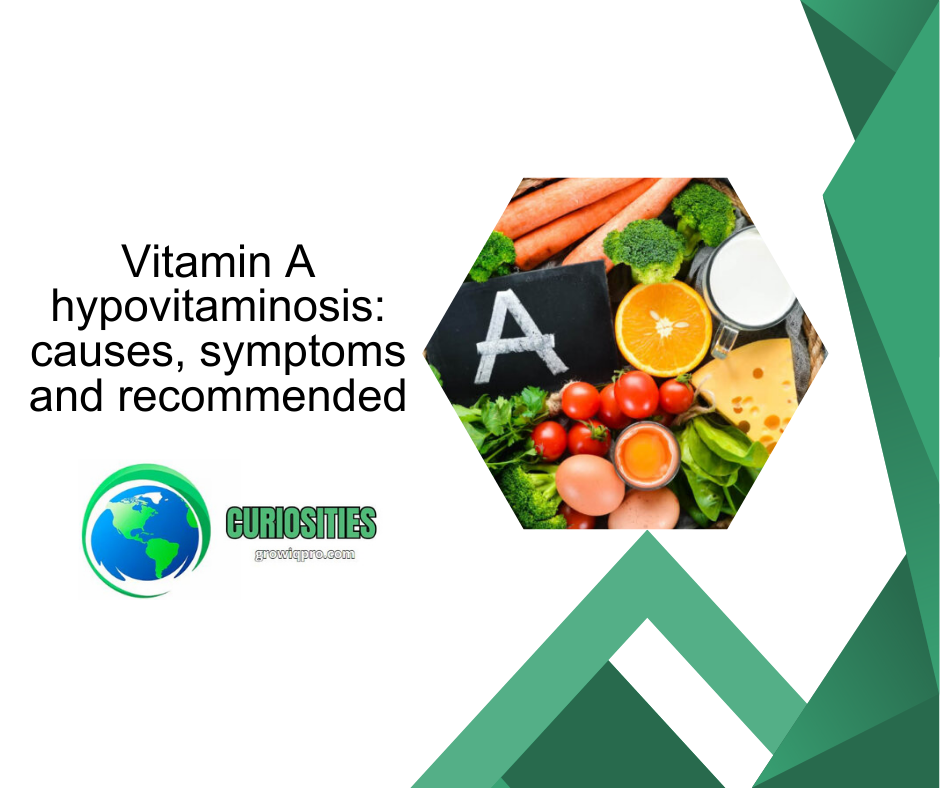
Vitamin A hypovitaminosis: causes, symptoms and recommended diet to prevent deficiency

Actors who started with supporting roles and became superstars
